- All
- Product Name
- Product Keyword
- Product Model
- Product Summary
- Product Description
- Multi Field Search

Author: Site Editor Publish Time: 2026-03-04 Origin: Site


A generator set (genset) is a stable and reliable power supply system widely used in industry, commerce, construction, data centers, and emergency backup. Its normal operation depends on three core components: the engine, the alternator, and the control system. Each part has a unique and irreplaceable function.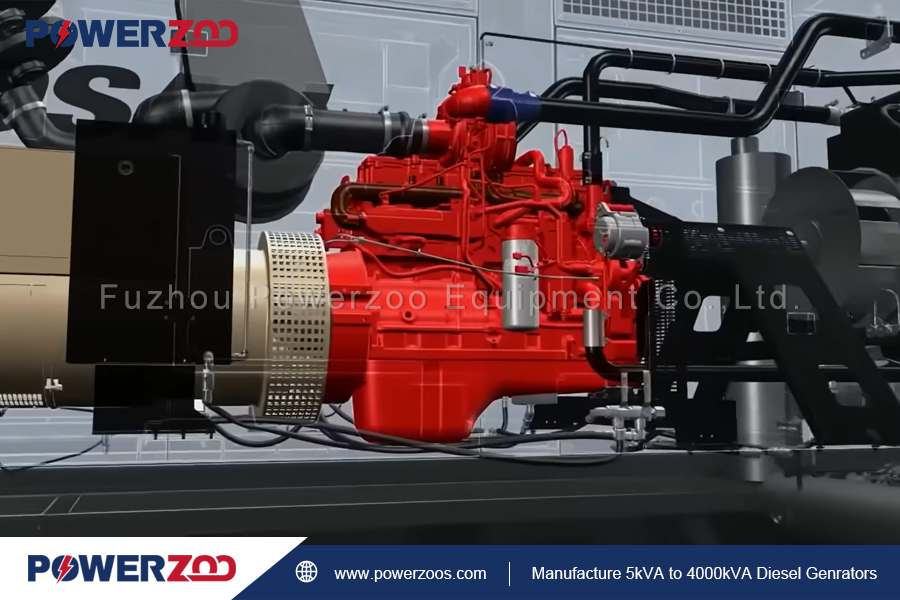
1. Engine — The Power Source
The engine is the prime mover of the generator set, converting fuel energy into mechanical rotational energy.
Common types: diesel engines, gasoline engines, natural gas engines
Provides the rotational power needed for electricity generation
Determines the power, efficiency, and durability of the whole unit
High-quality engines ensure stable output, low fuel consumption, and long service life.
2. Alternator — The Power Generation Core
The alternator (generator head) converts the mechanical power from the engine into electrical power.
Uses electromagnetic induction to produce AC voltage
Includes stator, rotor, voltage regulator, and housing
Affects voltage stability, waveform quality, and safety performance
A reliable alternator guarantees clean, stable power for various electrical equipment.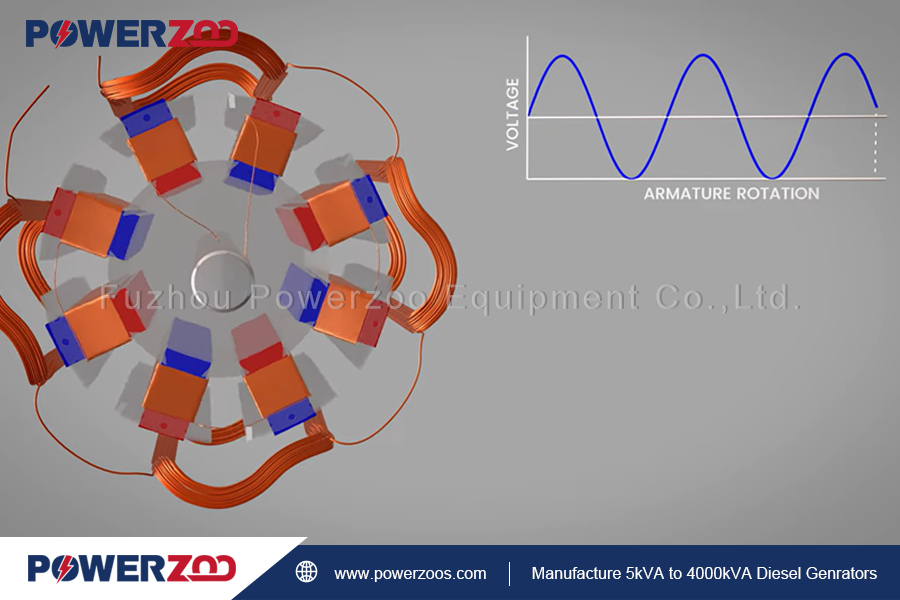
3. Control System — The “Brain” of the Genset
The control system monitors, protects, and automatically manages the entire generator set.
Real-time monitoring: voltage, current, frequency, temperature, oil pressure
Automatic start/stop, parallel operation, and remote control
Overload, overheating, low oil pressure, and short-circuit protection
Without an intelligent control system, the generator cannot operate safely and automatically.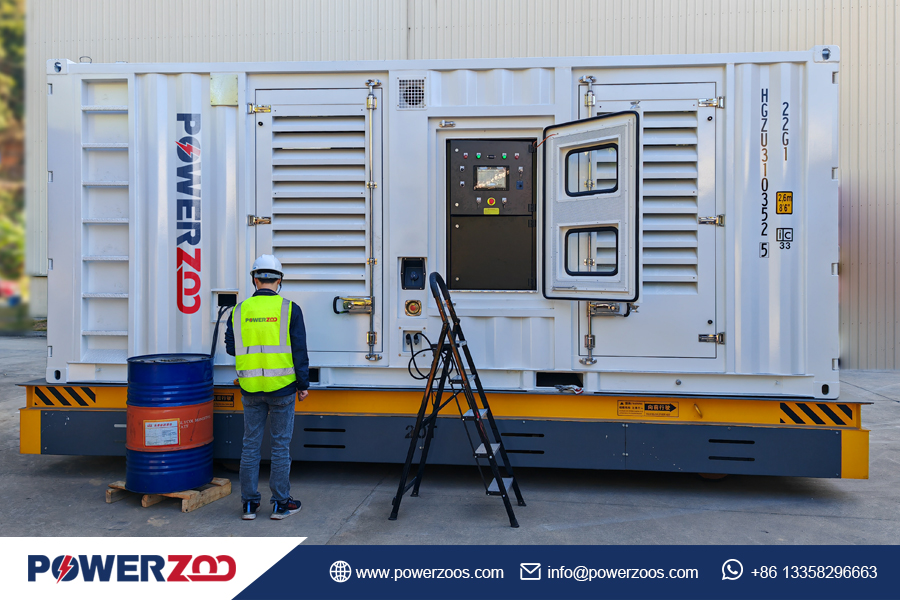
Conclusion
The engine, alternator, and control system are the three core components of a generator set. Only when these three parts are perfectly matched and stably coordinated can the generator set provide efficient, safe, and long-lasting power support.


